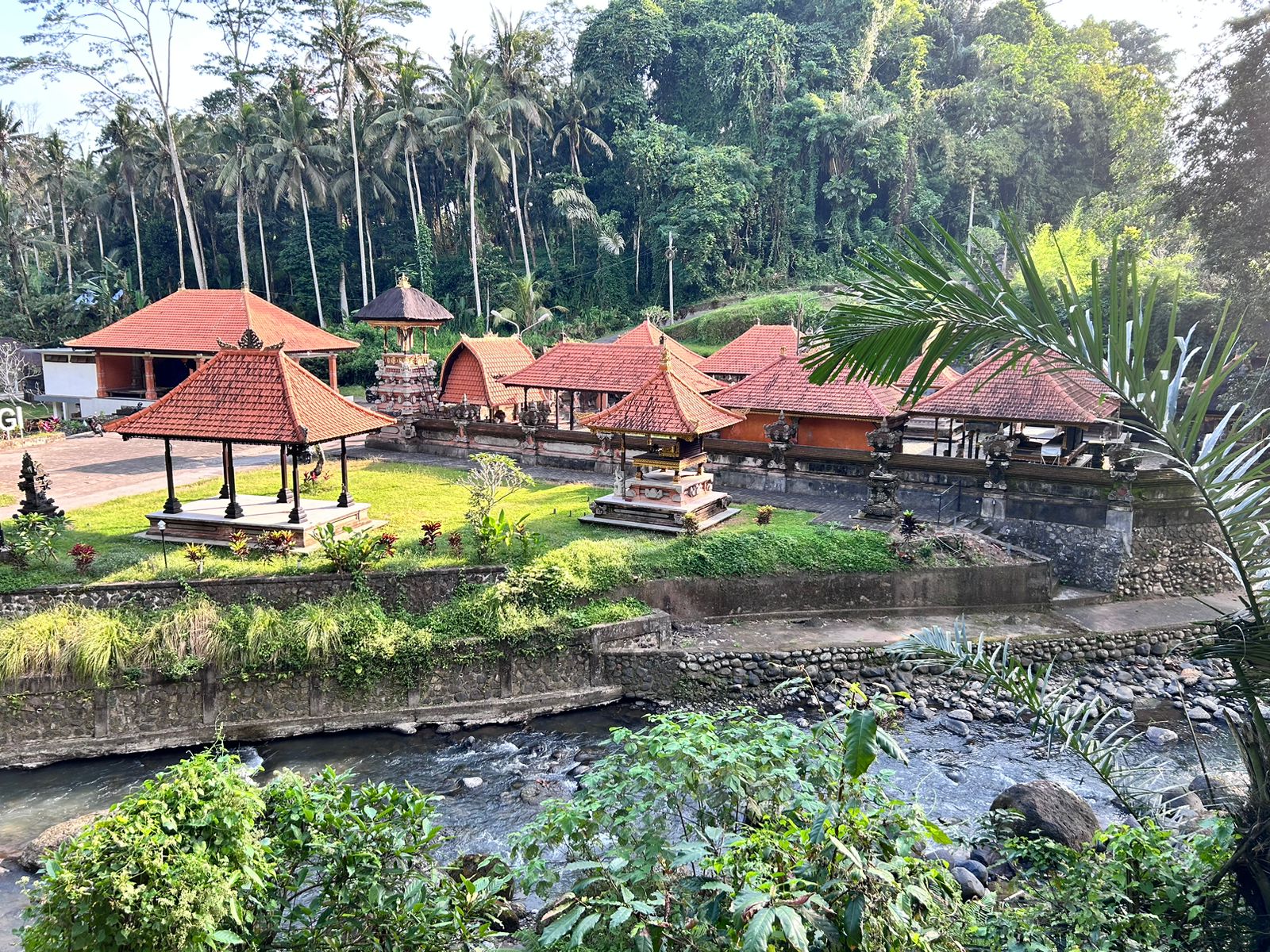
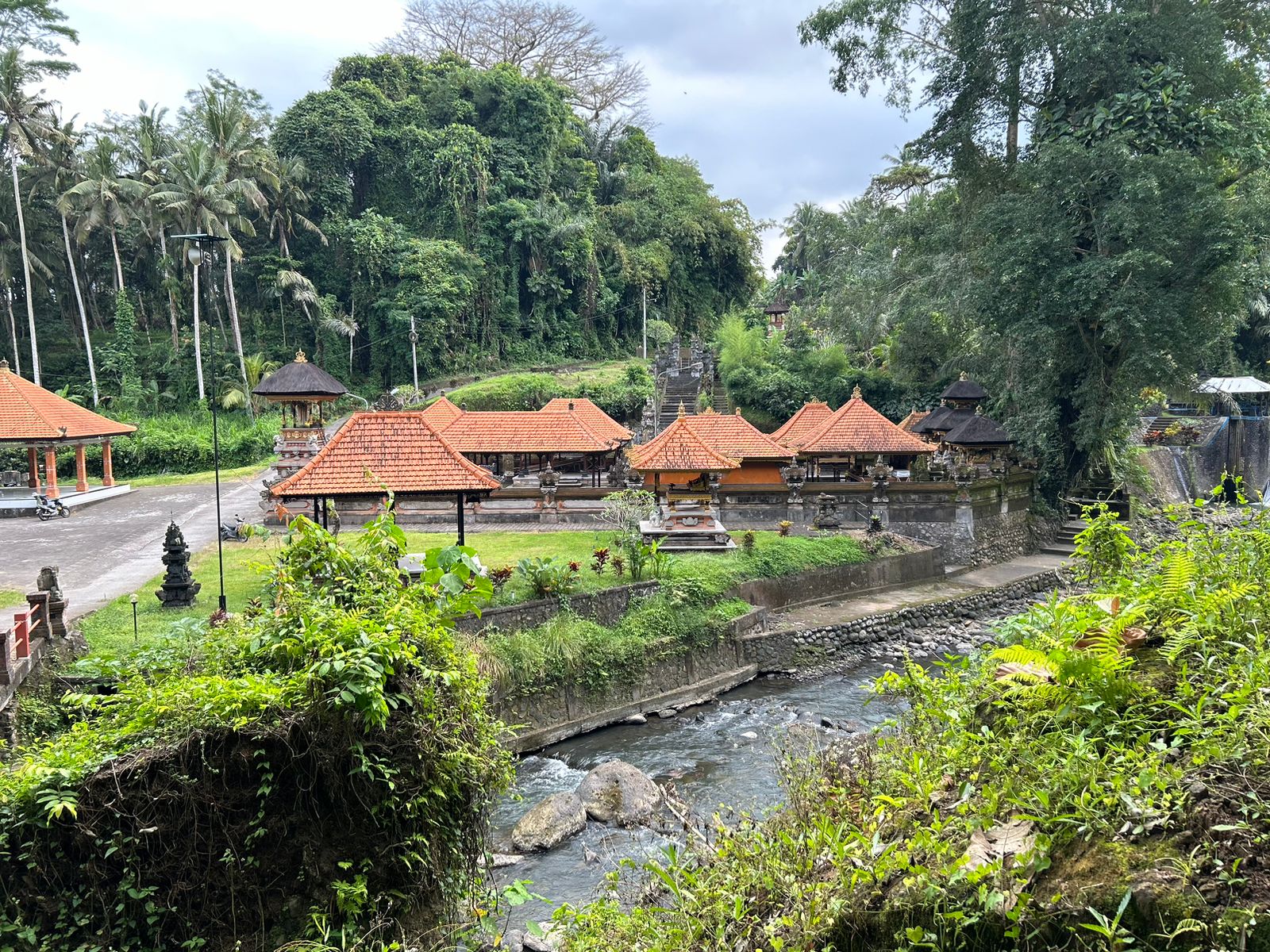
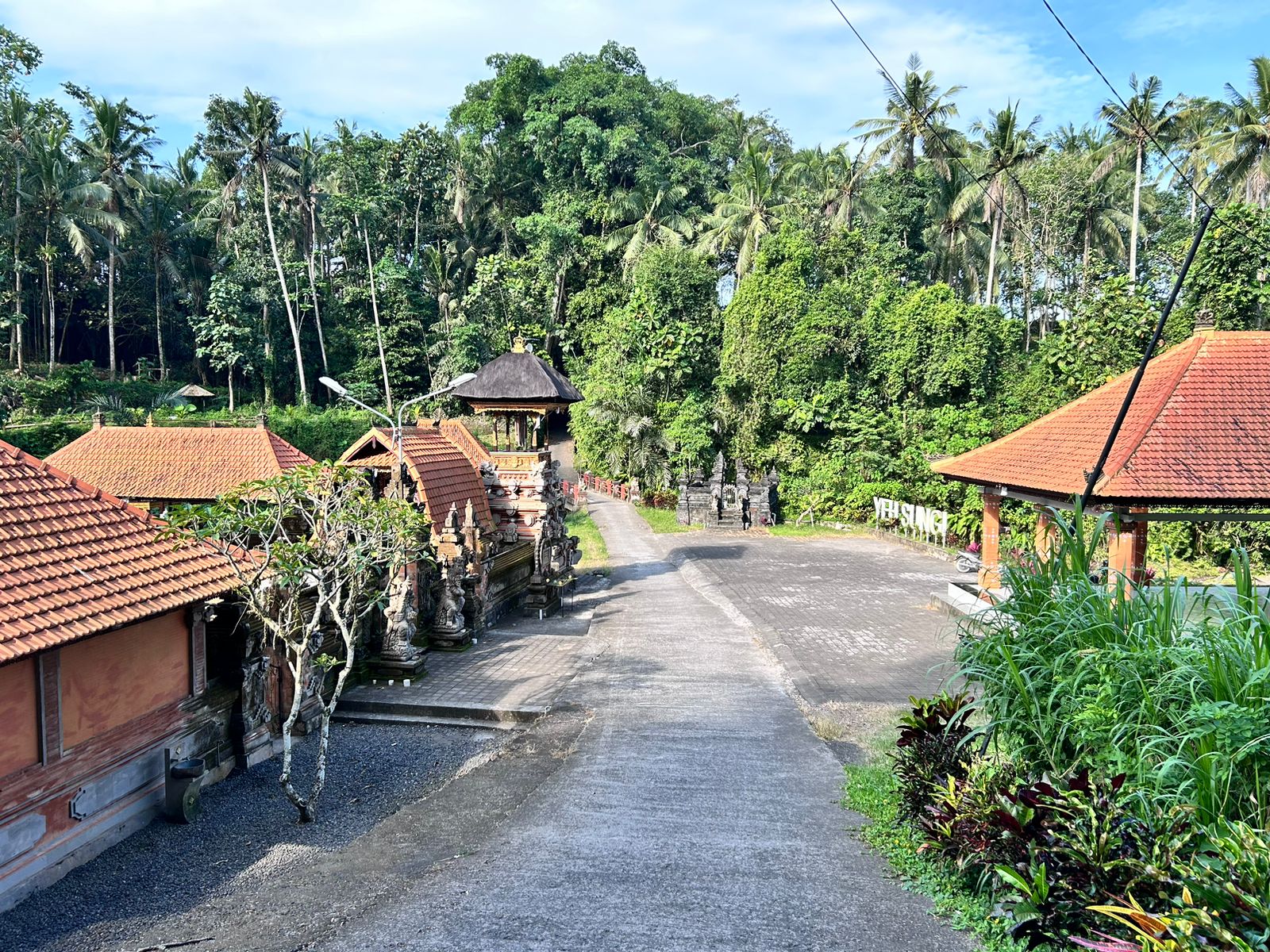
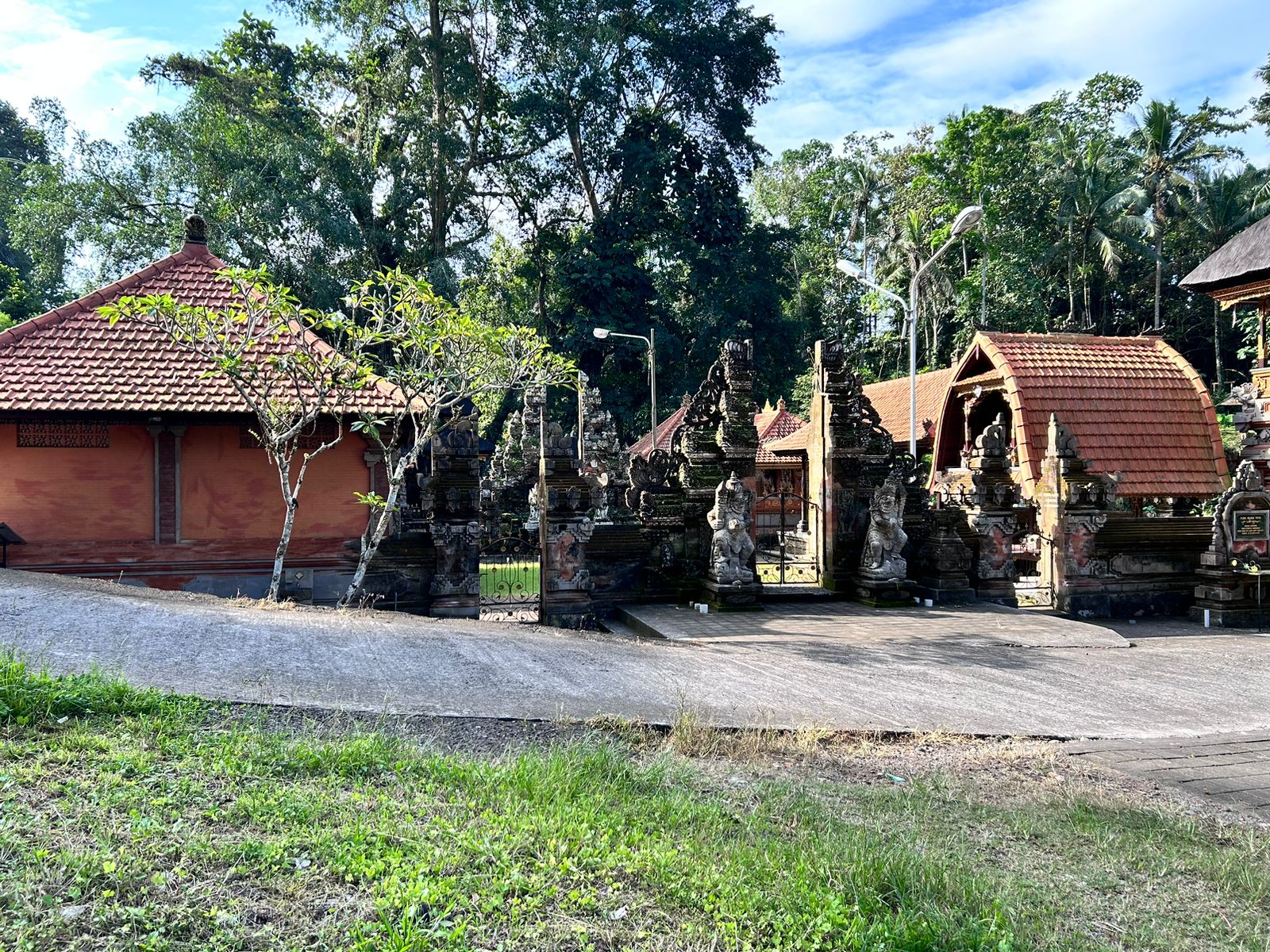
Manik Toya Temple is located in Tabanan, Bali, and was among the temples most severely affected by the disaster. The restoration approach draws on the value of Tri Hita Karana — harmony among people, nature, and God.
Revitalization goes beyond physical reconstruction, also reviving the temple’s spiritual and ecological meaning so it can function fully as a place of worship, a social space, and a sustainable cultural heritage site.
The foundational idea behind the design is to restore the temple to the concept of Apit Toya — a temple set between two waterways — as recorded in the community’s collective memory. The design process was shaped through public consultation and the gathering of community input, including reconstructing the temple’s original condition.
Location
Bali, Indonesia
Programs
Temple, Public Facility, Revitalization, Cultural Heritage
Status
Completed
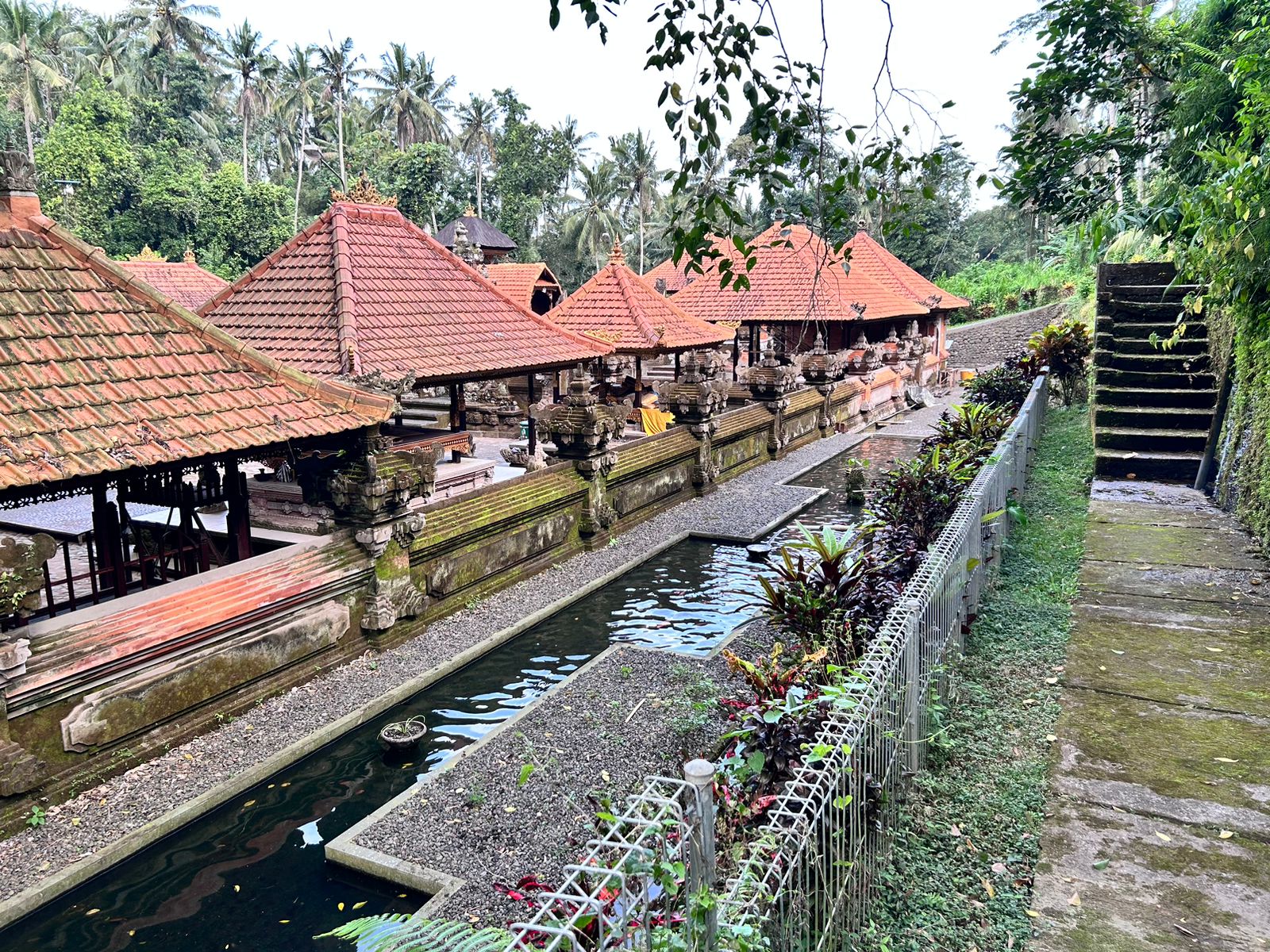
A Pond as an Additional Water Channel
The waterway is revived through a fish pond connected to a natural spring on one side of the temple, while the existing river on the other side is revitalized. The pond provides additional space for water flow and restores the site’s Apit Toya character.
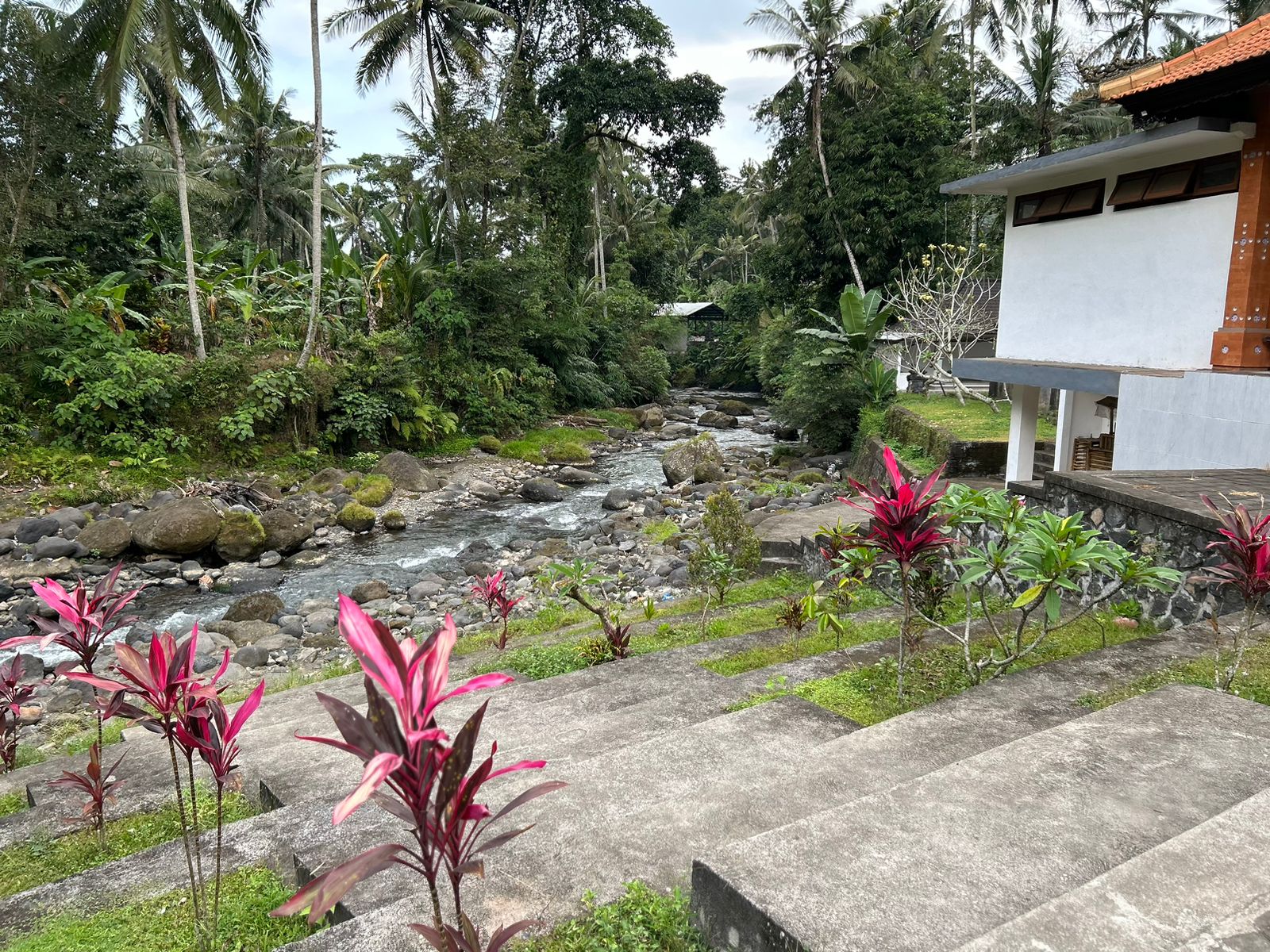
Reinforcing and Making Space for the River
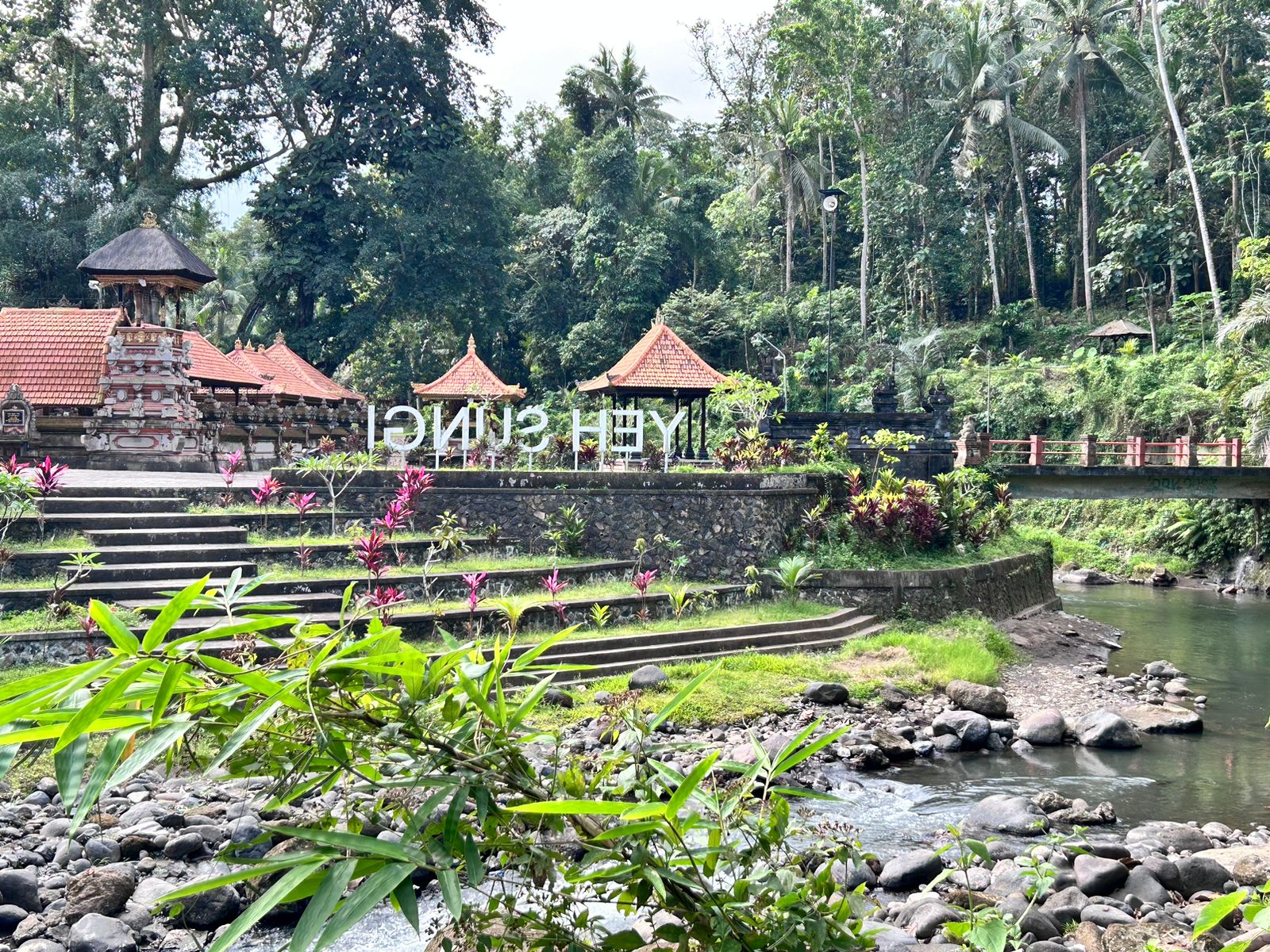
Riverbank areas once prone to landslides have been reinforced and redesigned as green space that doubles as a social gathering area. Rather than constraining the river, this approach gives it room to move, while opening direct access for the community to engage with the riverbank.
Integrated Site Planning
The temple precinct is planned as a unified whole, also serving as the entry point for Tukad Sungi tourism. This layout brings together worship, social space, and tourism potential within a single, cohesive site.
The revitalization of Manik Toya Temple is a tangible expression of sustainable Tri Hita Karana: sustaining a harmonious relationship with God, balance with nature, and stronger social bonds among the community.