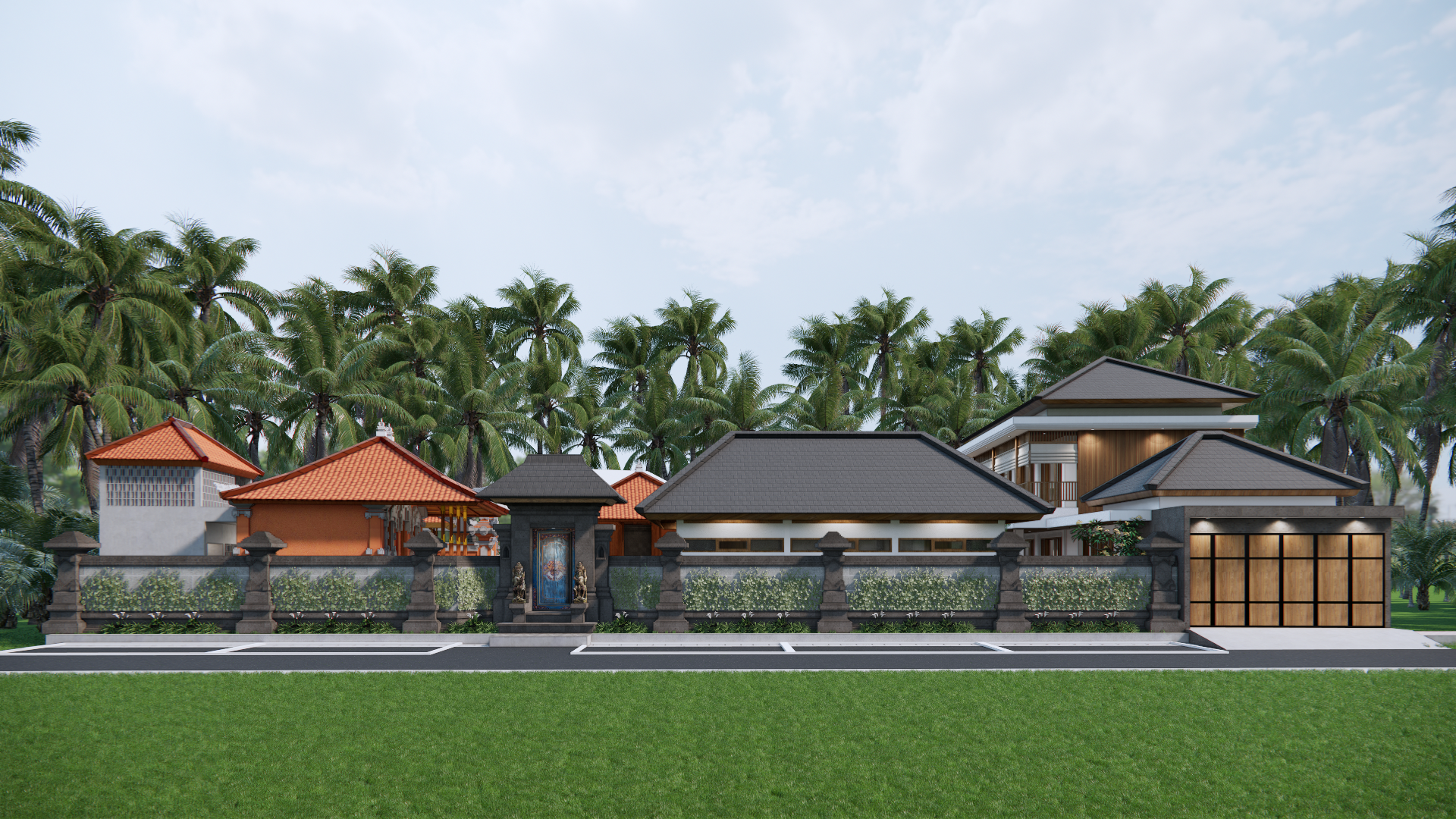
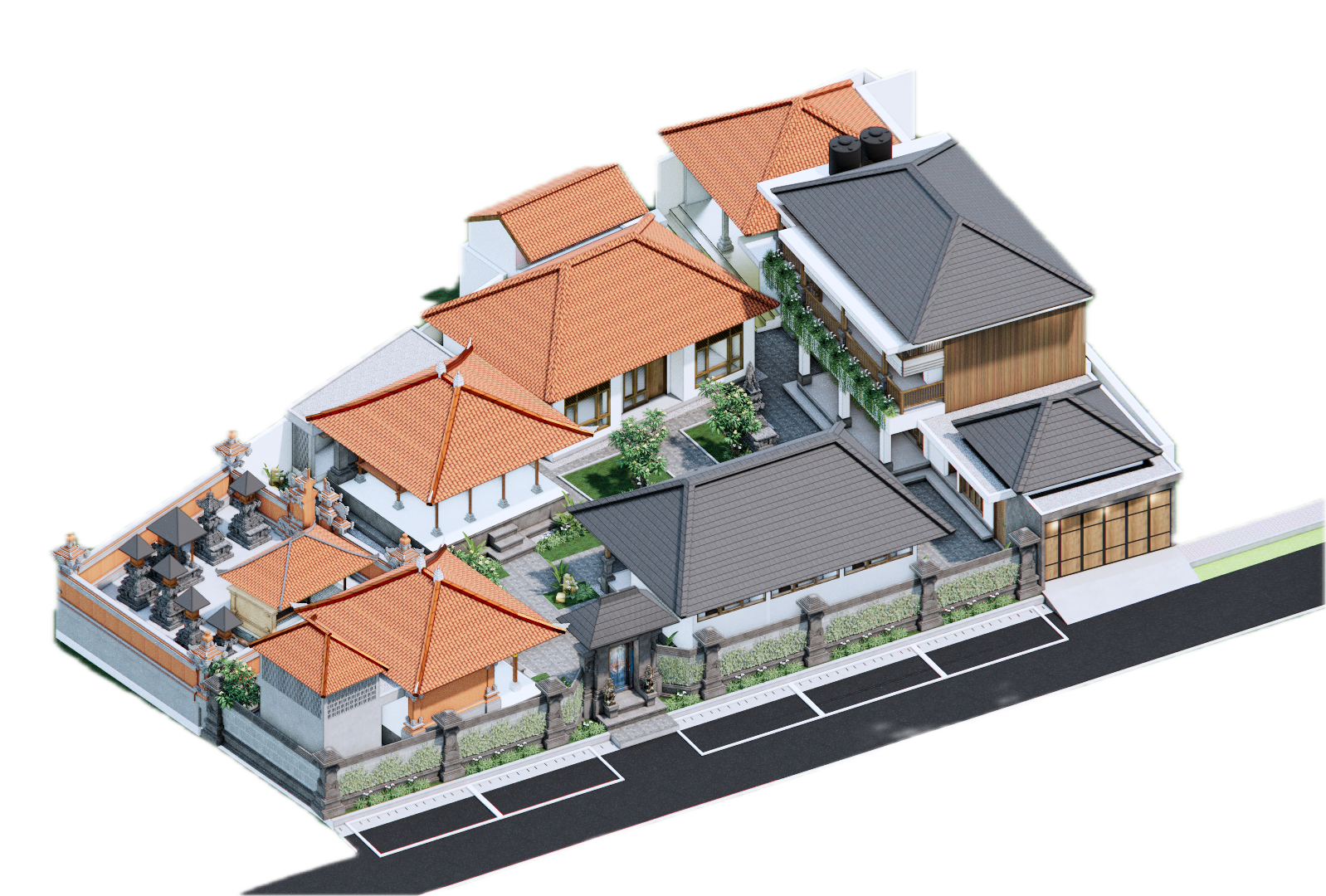
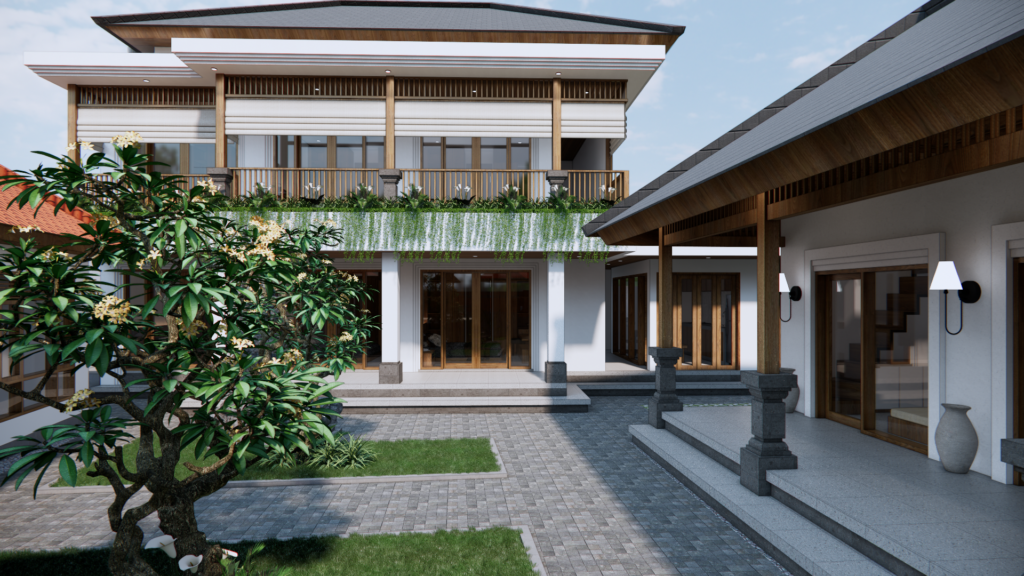
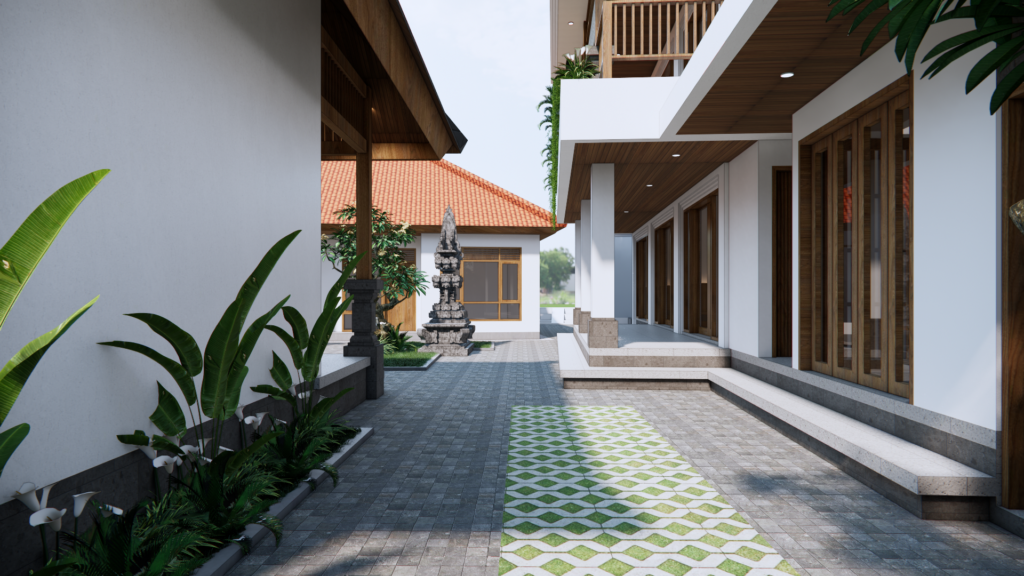
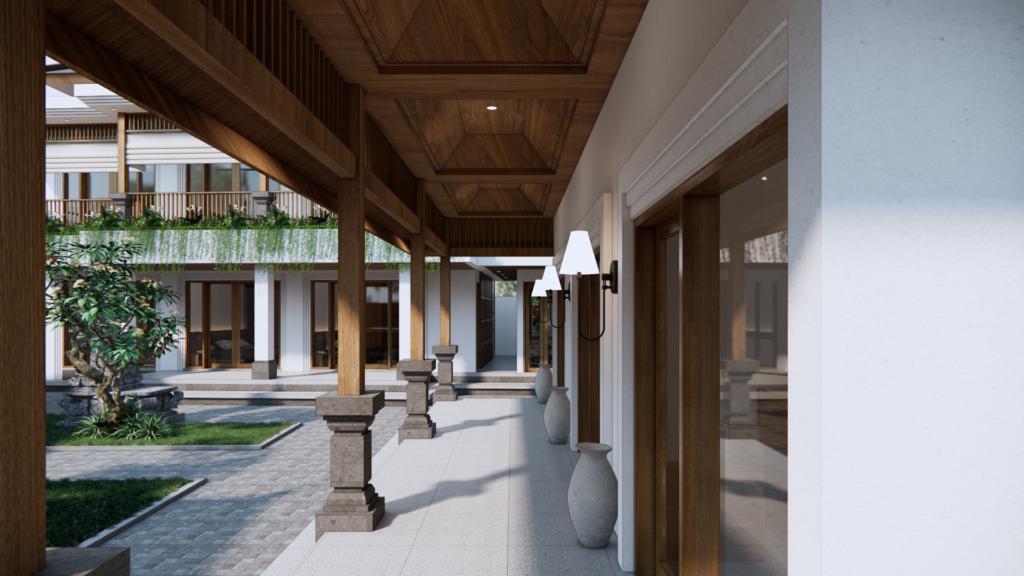
CEMPAKA PIKAT is located in a hillside village in East Bali. This traditional Balinese house consists of multiple building masses that have been inhabited for decades. The project is a residential renovation aimed at adapting several building functions to respond to the users’ evolving needs.
Through a comprehensive site research process—including spatial observation, cultural mapping, and analysis of daily routines as well as customary activities—TANAREKA identified the main issues and opportunities, which were then translated into design solutions that are innovative, contextual, and sustainability-oriented. The research findings became the foundation for exploring a transformation of the traditional house that responds to present-day user needs while preserving its cultural values and spatial context.
Location
Bali, Indonesia
Programs
Renovation, Adaptive reuse, Balinese Traditional Building
Status
Completed Master Plan
Adaptive Reuse for Contemporary Balinese Living
This project responds to a growing condition found in many Balinese villages, where traditional houses are no longer fully occupied as younger generations move to urban areas and return only at certain times, especially during ceremonies. As daily activity decreases, parts of the house become underused, leaving several spaces inactive during ordinary periods. TANAREKA sees this condition not only as a spatial challenge, but also as an opportunity to introduce additional economic value by adapting part of the house into short-term accommodation listed on online booking platforms. Through this approach, the house can generate additional income for the family while remaining maintained, inhabited, and continuously active throughout the year—allowing it to stay “alive” beyond ceremonial seasons alone.
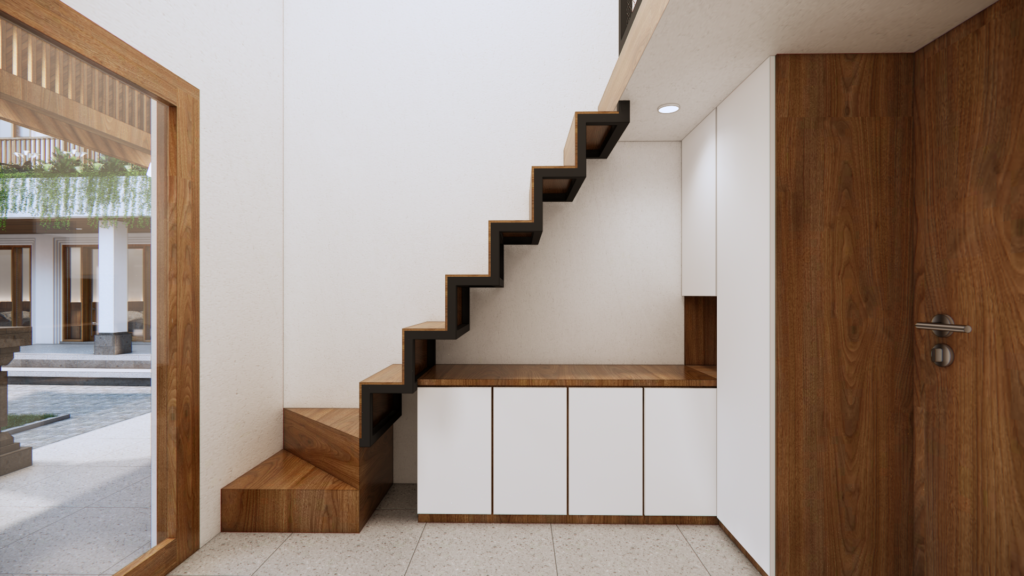
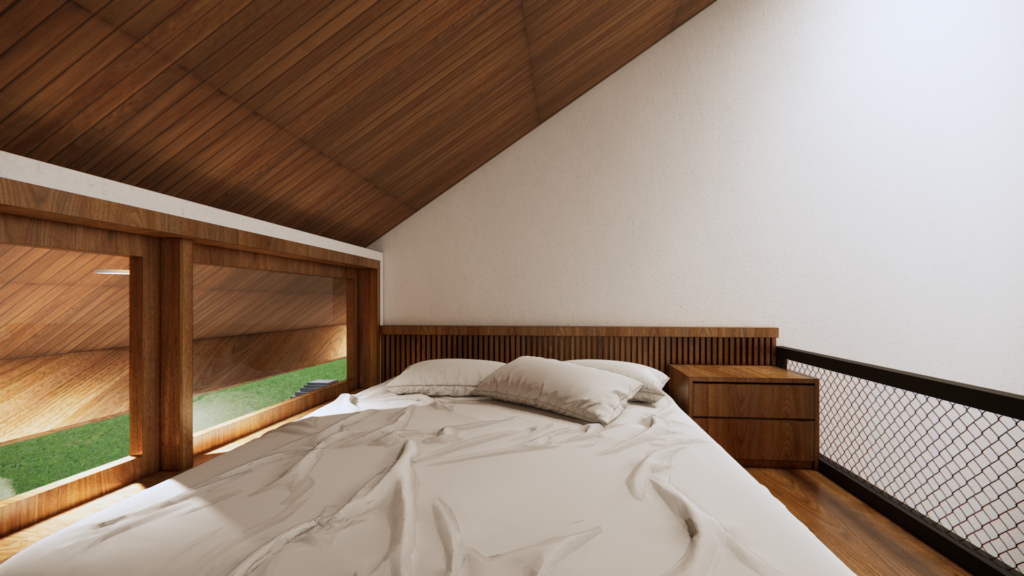
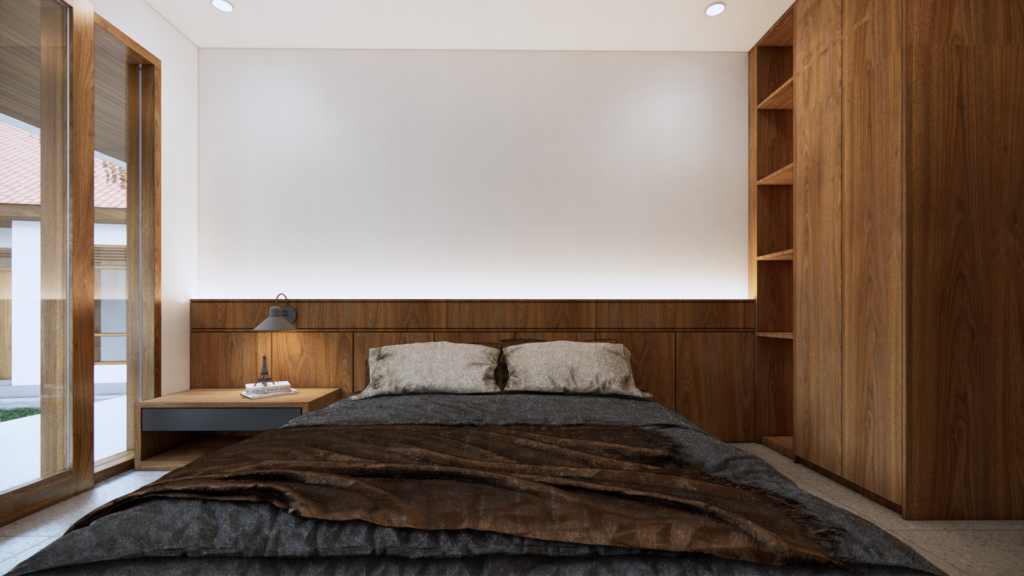
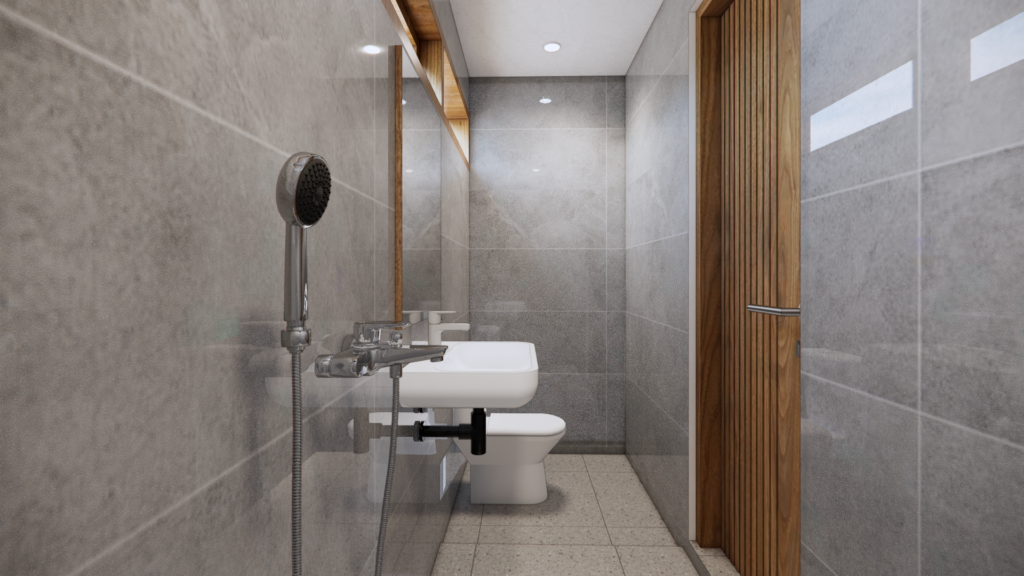
This approach is translated into the interior design through a simple and functional homestay concept. Within the existing spatial limitations, the room is arranged to remain comfortable, spacious, and supportive of shared daily activities. Compact stairs and integrated storage are designed to optimize space efficiency, while wooden windows bring in natural light and built-in furniture helps maintain visual order. The bathroom is designed with a clean and modern character, using durable materials that are easy to maintain. Through this strategy, the space remains comfortable for family use while also being ready to function as warm accommodation that retains a distinct Balinese atmosphere.
Optimizing Communal Space Within a Traditional House
As a house situated within a cultural setting where communal traditions remain strongly present, its spaces need to accommodate various collective activities. Spatial optimization therefore becomes essential to ensure the house can function effectively when all family members gather at the same time.
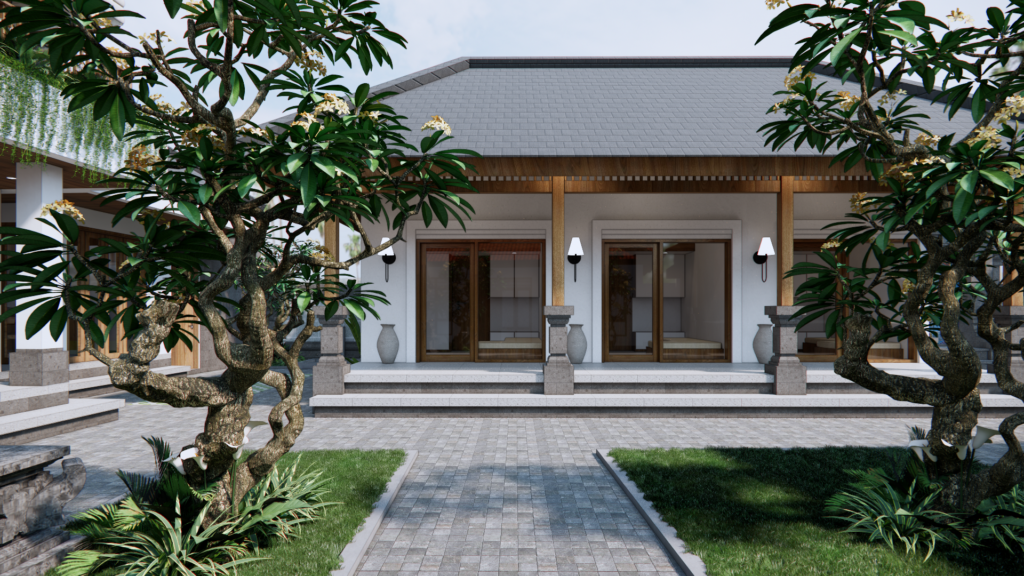
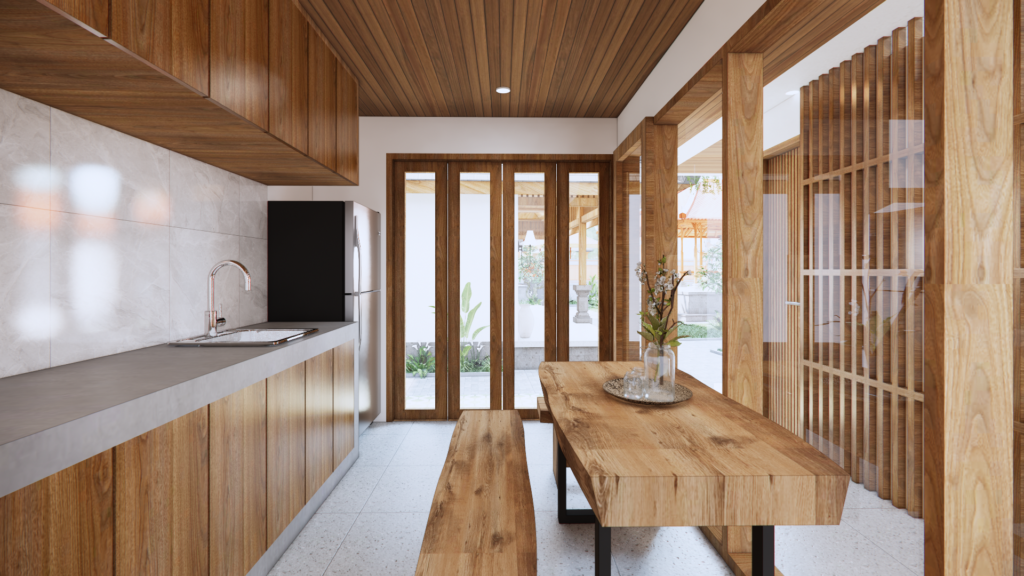
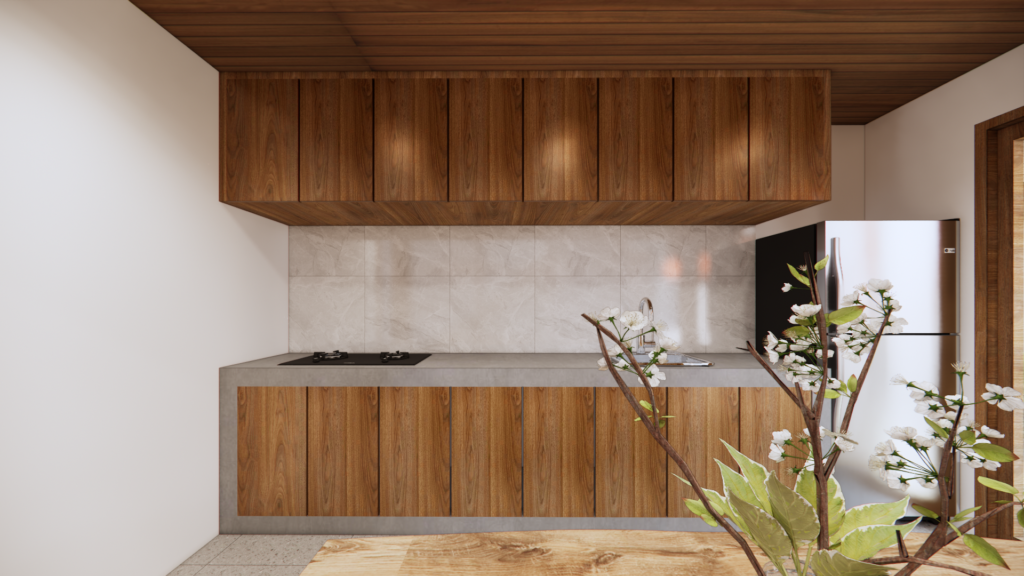
For this reason, the terrace is designed as a transitional space leading to the bedroom, and also as an important gathering area during customary activities. A wider terrace allows more people to sit together and makes collective moments feel more comfortable. In addition, the kitchen is reorganized to better support cooking activities that often involve the entire household.