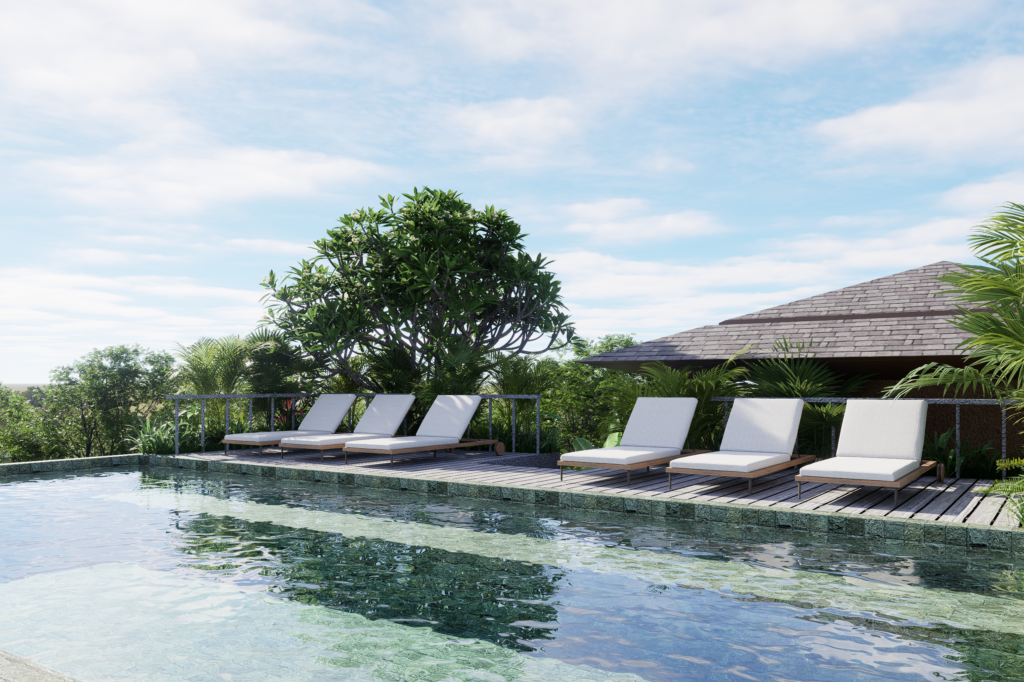
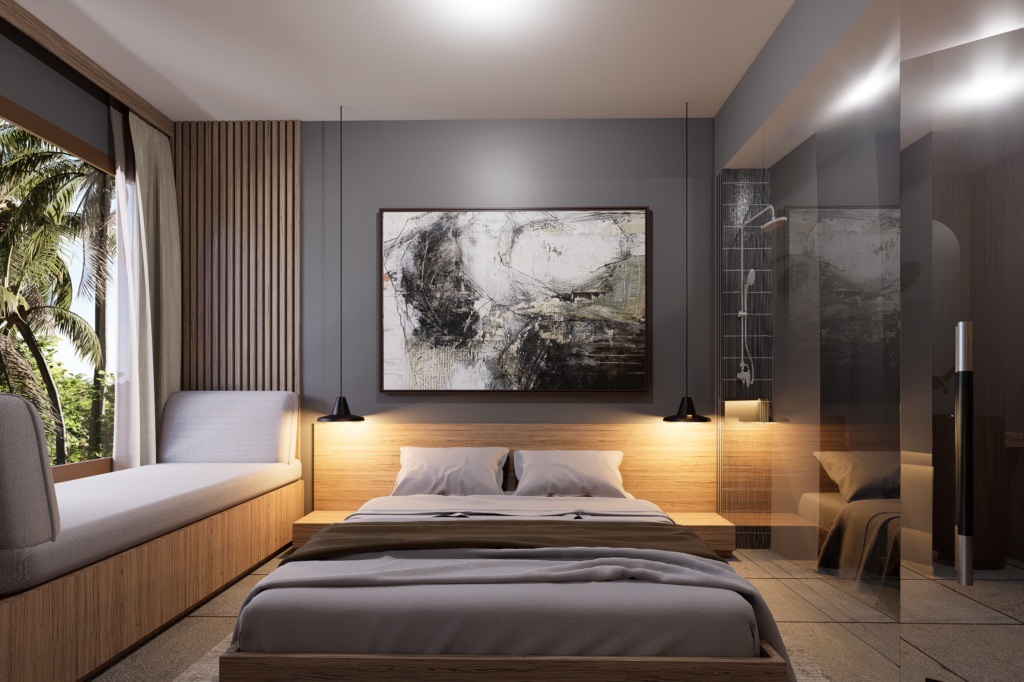
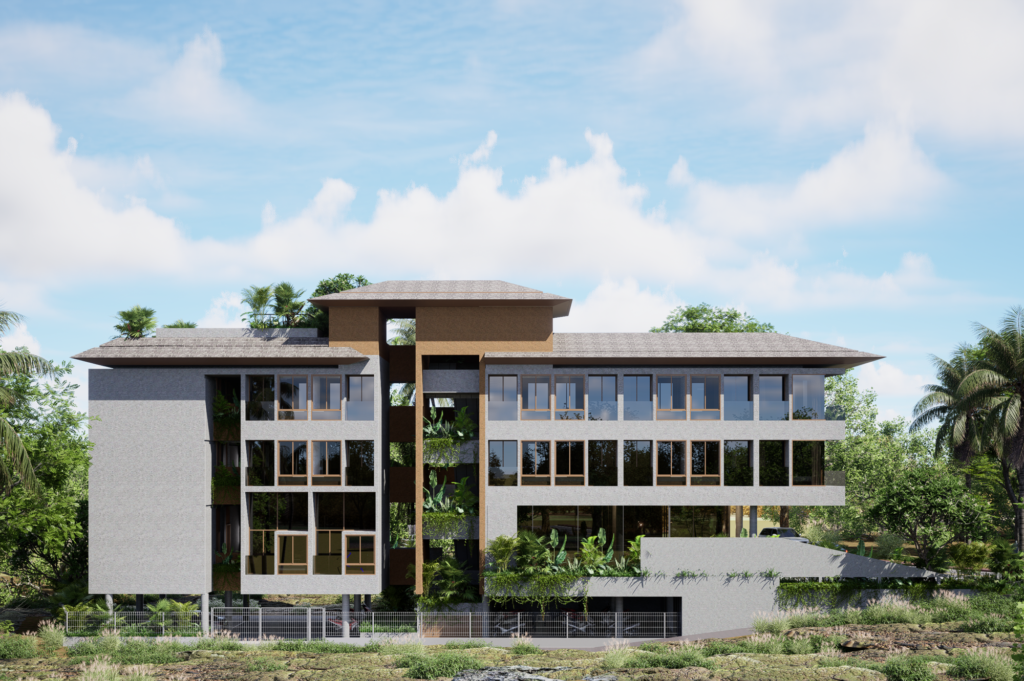
The Seaside Living is a mixed-use development project located in South Bali, featuring 28 guest house units complemented by communal facilities including a co-working space, swimming pool, and commercial area.
The project was developed through in-depth site research and iterative design exploration, aiming to balance development intensity, site context, and long-term investment sustainability.
Through multidisciplinary collaboration and close coordination with relevant stakeholders, the project delivers an architectural solution that is innovative, contextual, and sustainable, reflecting TANAREKA’s core values.
Location
Bali, Indonesia
Programs
Co-living unit; co-working space; commercial space
Status
Completed
Context-Driven Water Strategy
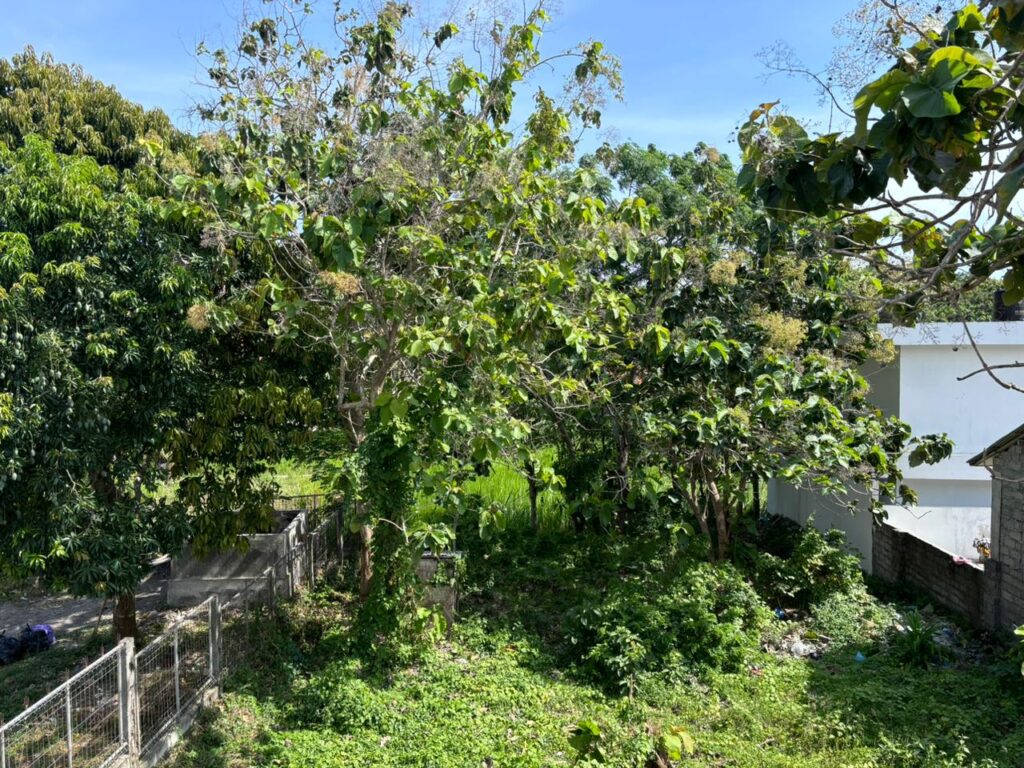
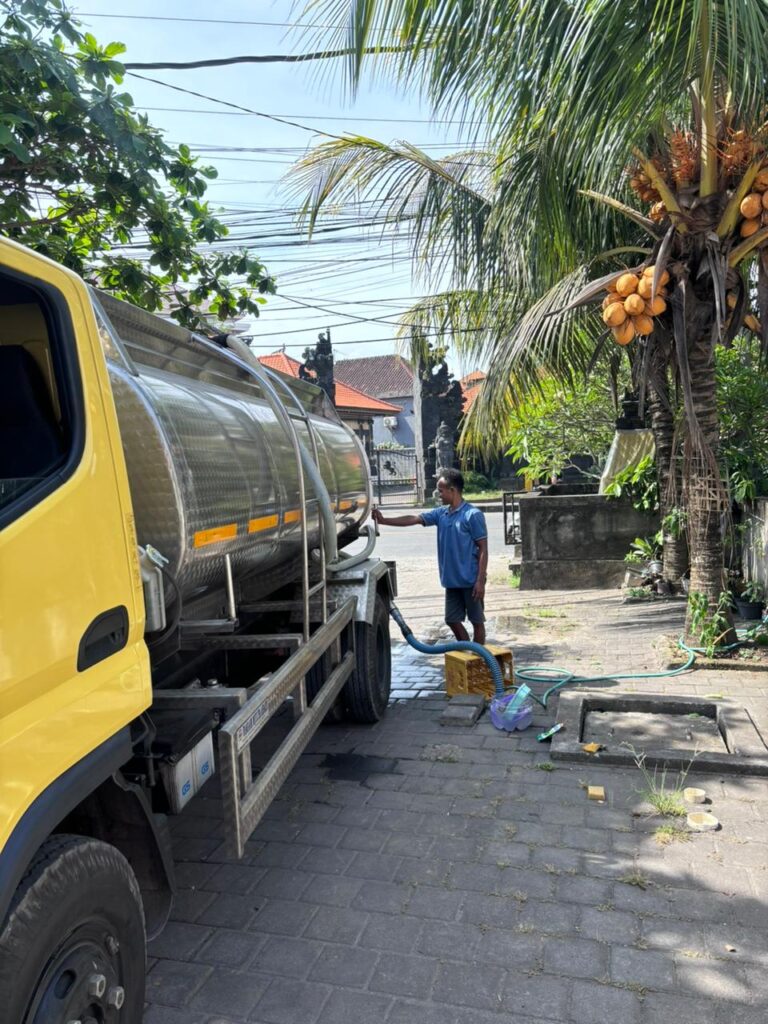
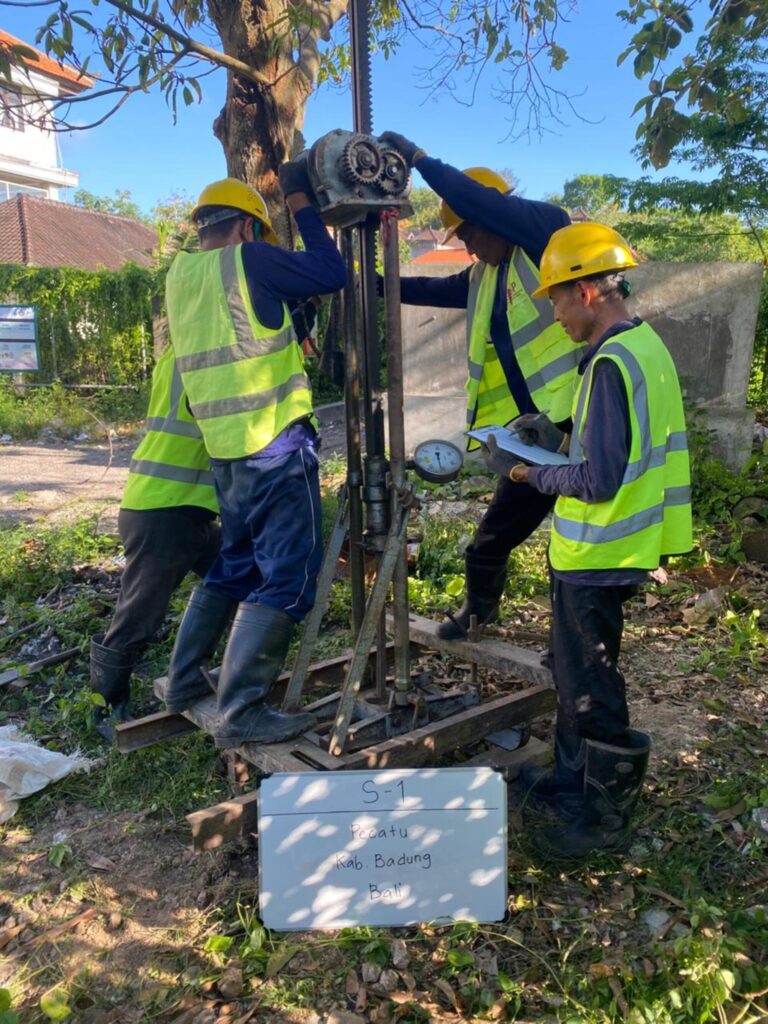
Water scarcity is one of the key challenges faced by communities around the project site. The limestone-dominated soil makes it difficult for water to be retained in the ground, limiting access to clean water and, in some cases, forcing residents to purchase water for daily needs.
Understanding this condition became a fundamental basis for the design approach of the Seaside Living project, where on-site research served not merely as an initial study but as a foundation for developing relevant and impactful design solutions.
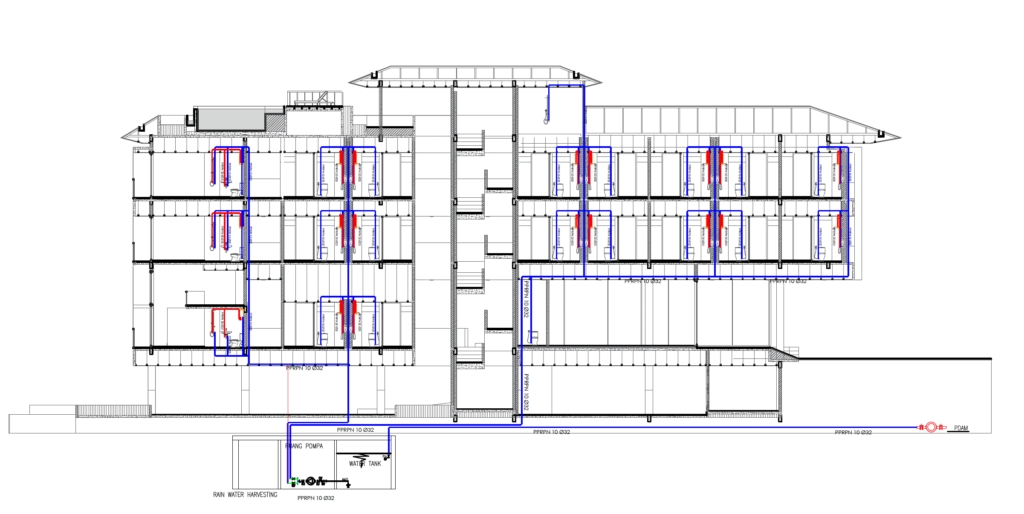
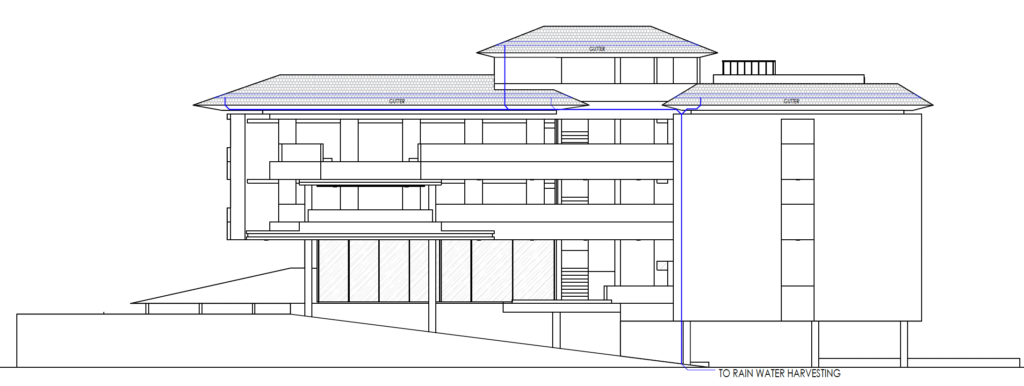
Rainwater harvesting system, which collects, filters, and stores rainwater through roof catchment areas, a water distribution network, and storage tanks designed to maintain water quality before use as an alternative water source. This approach demonstrates how design innovation can emerge from a deep understanding of site conditions, enabling architecture to respond not only to building requirements but also to the surrounding environmental challenges.
Balancing Capacity, Context, and Investment
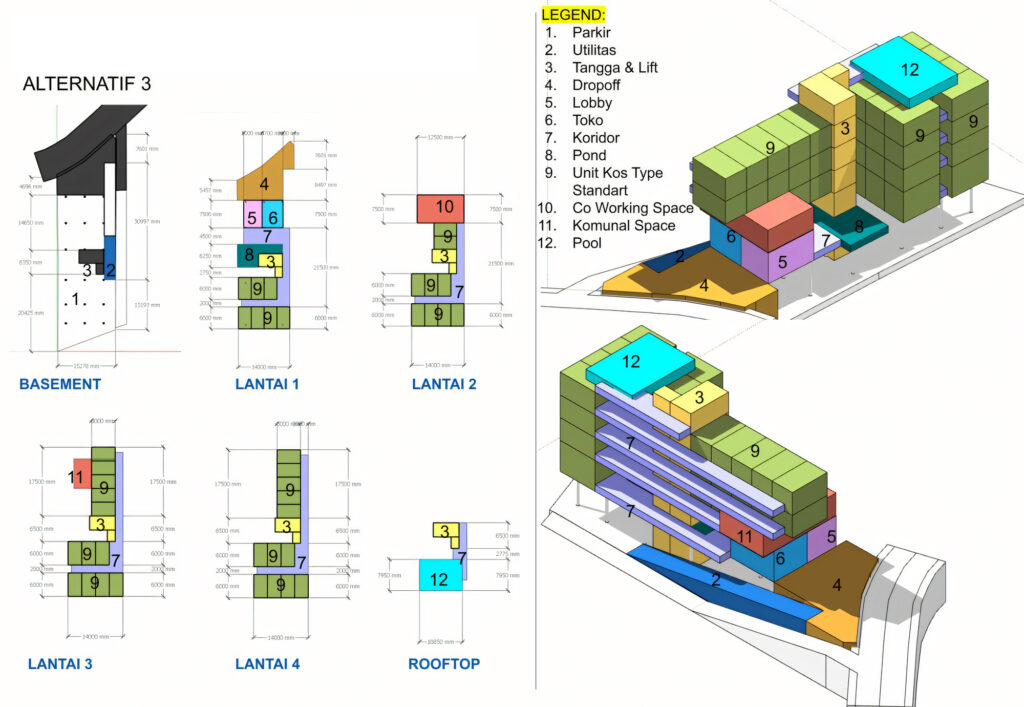
The exploration process of the Seaside Living project was carried out in a gradual and iterative manner to identify a balance between building capacity, regulatory requirements, environmental and social impacts, and investment feasibility. The process began with building mass simulations that maximized the site potential to accommodate up to 40 units, which were then evaluated with both internal and external teams and adjusted to 36 units as an interim scheme. Further studies were conducted using a more comprehensive approach, considering building height limitations, integration with the surrounding context, and the visual and social impact on the environment, ultimately resulting in the most optimal configuration of 28 units. This process demonstrates that design exploration is not merely about maximizing the number of units, but a continuous process of testing and refinement to produce solutions that are innovative, contextual, and sustainable.
Designing Through Collaborative Expertise
The design process of the Seaside Living project was carried out through multidisciplinary collaboration involving various teams, including structural, MEP, social, and environmental team, to ensure that every decision was formulated comprehensively and validated from technical, operational, and sustainability perspectives. In addition, coordination was conducted with external stakeholders, including consultations with the Public Works and Spatial Planning Agency, to confirm regulatory requirements, the building permit process, and the project’s alignment with local spatial planning policies. This collaborative approach ensures that the design is not only strong architecturally but also realistic to implement, while providing a higher level of certainty for the client.